2026-03-31
31Satellite remote sensing for crop monitoring, ordering machinery by phone, one seedling tray every 1.8 seconds... spring plowing in 2026 is different
Lao Zhang sent me a video: a field of green wheat seedlings, he stands at the field edge holding his phone.
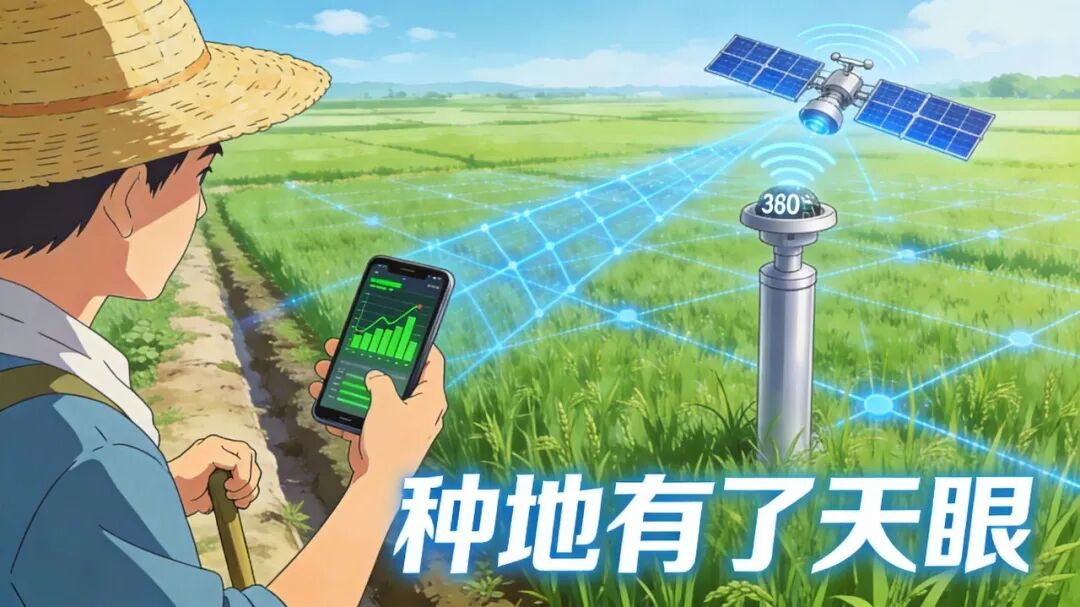
"Look, expert - on my phone I can see the field's temperature and humidity, and know which plot needs water and which needs fertilizer. I have farmed for thirty years; this year I feel most confident!"
I replied:This is smart agriculture - from "relying on experience" to "relying on data".
An agricultural cooperative in Wucheng County, Shandong, adopted a digital management system this year.
How is it done? The cooperative deployed sensors in the fields to collect soil temperature and humidity and seedling growth data in real time, and connected satellite remote-sensing imagery - watching from the sky and the ground together.
What is the use? The system automatically judges from the data: which plot lacks water, which lacks fertilizer, which has pest or disease risk. It then generates personalized care plans and pushes them directly to farmers' phones.
How well does it work? The cooperative's manager says: "Patrolling the fields used to take a whole day; now I can see it all on my phone. Irrigation, fertilization, spraying - all by data, with no waste and nothing missed.。”
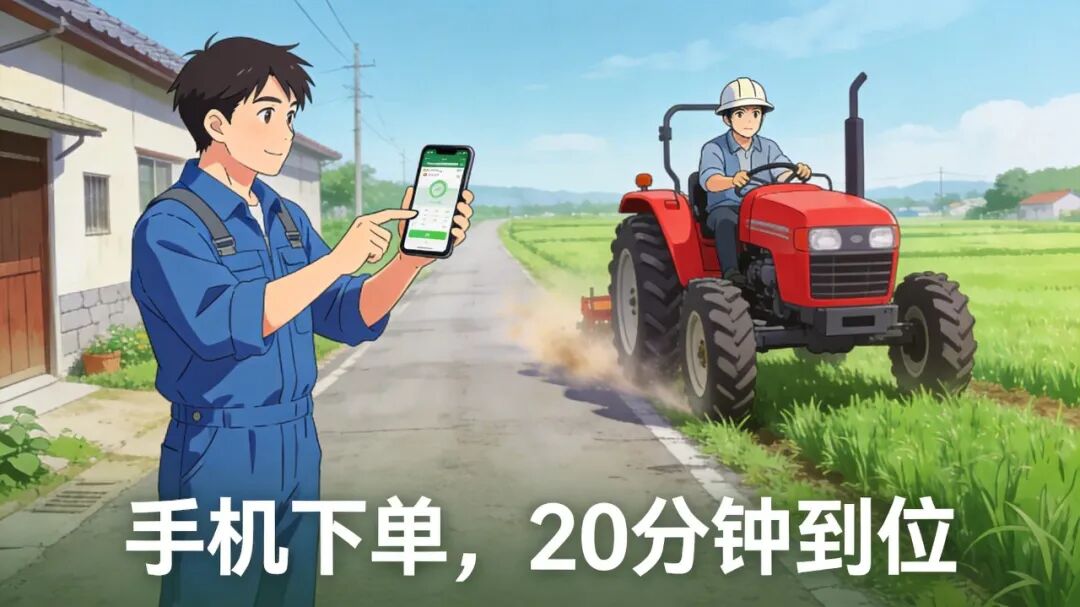
Taojiang County, Yiyang, Hunan launched a "shared farm machinery" service this year.
How is it done? Farmers tap their phone, choose the machinery and service time, and the system automatically matches the nearest machine operator.Twenty minutes after ordering, the operator is at the field.
What is the use? The biggest worry in spring plowing used to be finding machinery: phone calls, asking around, long queues. Now it is as easy as hailing a ride.
How well does it work? A Taojiang grain grower did the math: "Waiting for machinery used to take two or three days; now we finish sowing the same day. In one season, we save several thousand yuan in labor alone."”
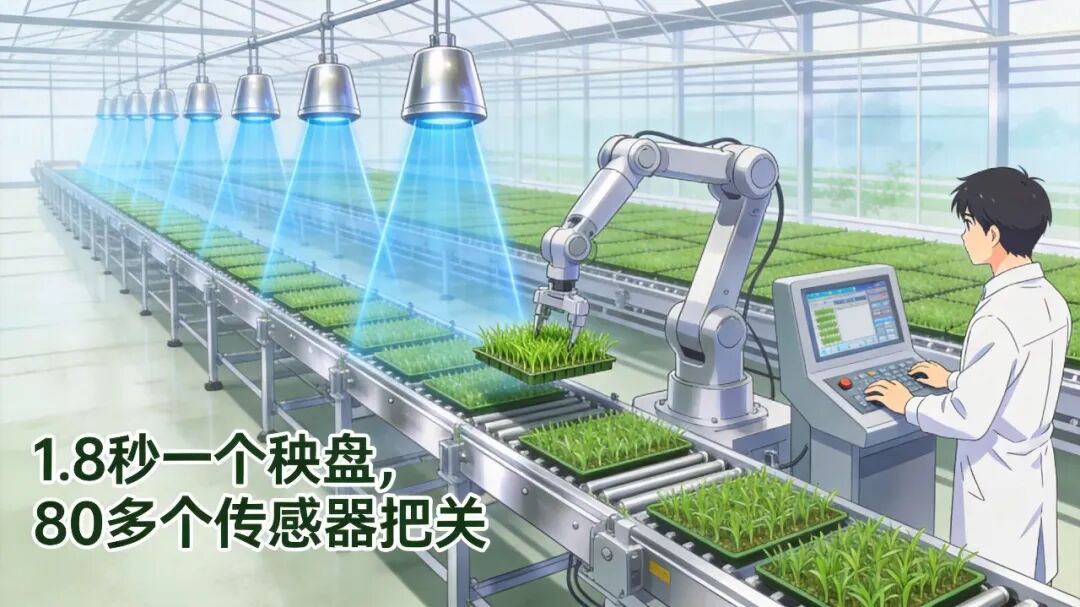
The rice seedling center in Ziyang District, Yiyang, Hunan, adopted a new-generation seedling production line this year.
How is it done? The line has 80+ sensors; from soil laying, seeding and covering to stacking, the whole process is automated.A seedling tray is made every 1.8 seconds - tens of thousands a day.
What is the use? Seedling raising used to depend on manual work and the weather for germination rates. Now machines control temperature, humidity and seeding rates: even emergence, more strong seedlings, higher survival after transplanting.
How well does it work? The center's manager says: "What 10 people used to do, 2 people can now supervise. Efficiency has multiplied, and seedling quality is better."”
This spring, Anhui allocated a special fund of 100 million yuan for yield-increase demonstration points and seedling monitoring site construction.
How is it done? Monitoring points across the province collect seedling, moisture and pest data in real time and aggregate it to the provincial platform. Agronomists formulate province-wide field management guidance based on data analysis.
What is the use? Technology extension used to rely on "visiting villages", with limited coverage. Now through the data platform, one piece of guidance can guide over a thousand large growers across the province at the same time.
How well does it work? An Anhui grain grower says: "Farming used to rely on feeling; now we have data. When to fertilize, when to spray - the experts tell me on my phone."
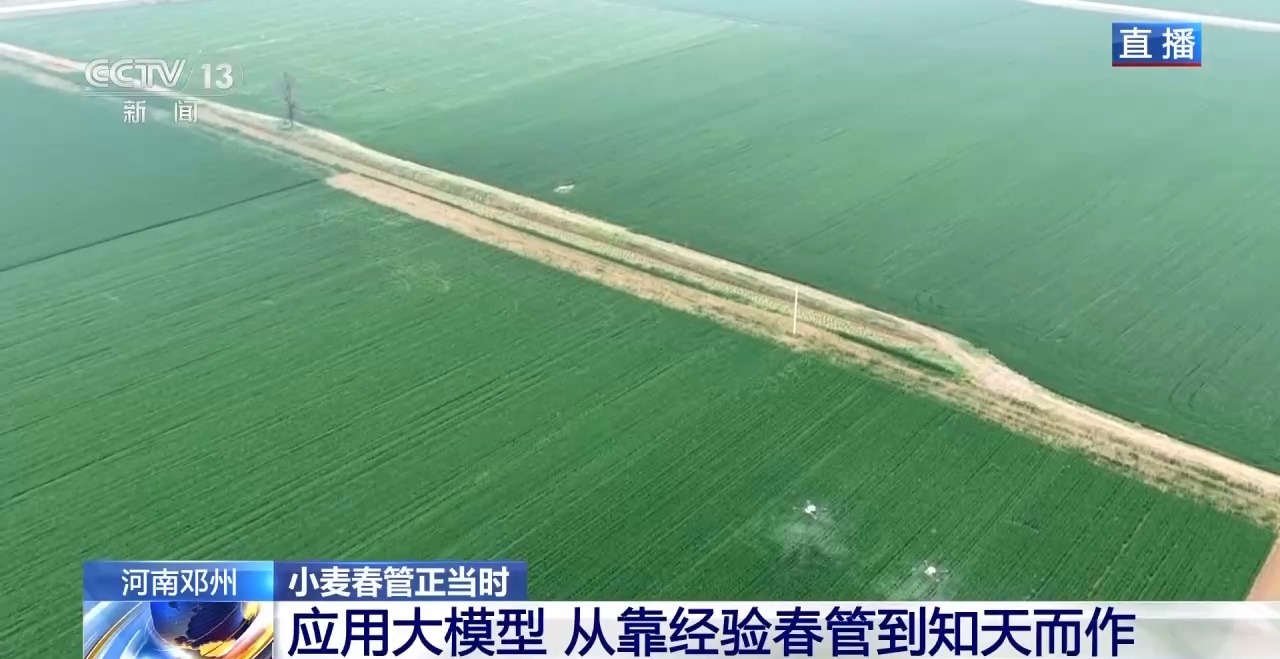
The latest national crop survey by the Ministry of Agriculture and Rural Affairs shows:Over 80% of winter wheat nationwide is Class 1 or 2 seedlings, more than 30 percentage points higher than before winter.
Behind this is the full deployment of digital technology in the fields:
Someone asks: can ordinary farmers like us actually use these high technologies?
Yes - and the threshold keeps getting lower:
The 2026 No. 1 central document proposed for the first time "accelerating the cultivation of new quality productive forces in agriculture". Smart agriculture is its most vivid practice.
From "relying on experience" to "relying on data",farming is getting easier, and returns are getting better.